What Does Ro-Ro Transportation Mean?
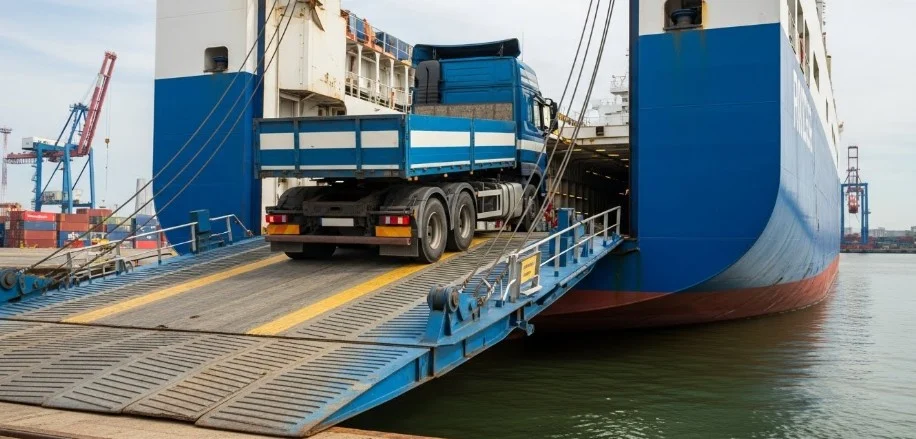
Ro-Ro transportation is the abbreviation of the phrase "Roll-on/Roll-off" and is a maritime transportation method based on loading and unloading wheeled vehicles onto the ship with their own mobility. In this system, loads are not lifted by crane; trucks, trucks, trailers or special vehicles enter and exit the ship directly. This feature is the main element that distinguishes Ro-Ro transportation from classical container transportation.
Ro-Ro transportation is frequently preferred, especially in international trade, as it provides time and operational convenience. By offering integration with maritime transportation on lines where road transportation is long and costly, it optimizes transportation time and reduces factors such as driver fatigue, border crossings and road risks.
What Types of Transportation Does Ro-Ro Transportation Include?
Ro-Ro transportation mainly covers road transportation vehicles. Trucks, trucks, tractor-trailer combinations, buses, construction equipment and passenger vehicles are among the cargo that can be transported by Ro-Ro ships. Additionally, palletized or wheeled heavy industrial equipment can also be shipped with this system.
However, Ro-Ro is an important part of intermodal transportation. It operates with a combination of road + sea and is frequently used especially on the Europe-Türkiye line. After completing the sea crossing with the Ro-Ro ship, the vehicles continue their journey by getting back on the road at their destination.
What is the Ro-Ro Loading Process?
Ro-Ro loading process is carried out quickly and regularly thanks to the ramped ship structure. Vehicles are taken onto the ship in the order determined at the port, and the vehicles are directed to the parking areas on the ship by drivers or port personnel. It is of great importance that the vehicles are secured and positioned safely during loading.
The most important advantage of this process is that there is no need for a crane or special lifting equipment. In this way, time loss is reduced and the risk of damage that may occur during loading is minimized. The same logic applies to the unloading process; Vehicles are integrated into the highway as soon as they leave the ship.
Which Sectors Prefer Ro-Ro Transportation?
Ro-Ro transportation is used extensively especially by the logistics, automotive and foreign trade sectors. Automotive manufacturers and distributors benefit from fast and safe transportation by choosing Ro-Ro ships for vehicle shipments. Likewise, this system provides a significant advantage for logistics companies engaged in international transportation.
In addition, construction, energy and heavy industry sectors also benefit from Ro-Ro transportation. Ro-Ro solution comes into play when work machines, special vehicles and large equipment cannot be transported by container. In this respect, Ro-Ro transportation offers flexible and practical solutions to the operational needs of different sectors.
Using different transportation models together in logistics processes provides significant advantages in terms of both cost and time. This structure, which provides flexibility especially in international transportation, also minimizes operational risks. To examine the details of this system more closely, you can take a look at the content where we discuss multimodal transportation.