What Does Transport Time Deviation Mean in Logistics?
In logistics, transit time deviation is the difference between the pre-planned transportation time for a shipment and the actual transportation time. This difference may occur when the move takes longer or shorter than expected. Transit time variance is not just a measure of delay; It also helps evaluate planning accuracy, route performance and how predictable the operation is. If similar deviations occur constantly on the same route or transportation model, the compatibility of the planned durations with the actual field conditions should be re-examined.
It is not enough to evaluate the question of what transit time deviation is based solely on late delivery. A time variance also occurs when a shipment is completed earlier than planned. Although early completion may seem positive at first glance, a consistently high difference may indicate that the planned transit time has been kept longer than necessary. For this reason, the main goal is not to complete each transportation as quickly as possible, but to make realistic planning and keep the actual time as close to this plan as possible.
Many variables such as distance, route, vehicle type, traffic conditions, border crossings, rest periods, terminal operations and delivery time intervals are taken into account when creating the planned transportation time. Actual transportation time is measured according to the actual start and end times of the operation. By comparing these two times, time tracking in logistics can be evaluated not only on a single shipment basis, but also on a route, customer, vehicle or carrier basis.
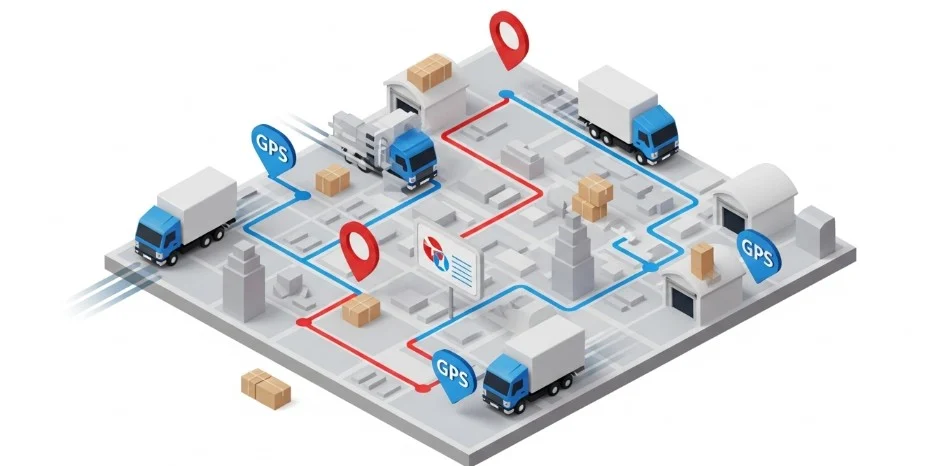
Deviations become more visible when the planned and actual transportation time can be monitored on the same operation record vialogistics software. It can be analyzed in which routes there are continuous delays, in which time periods the durations are extended, or in which transportation models the planned values are unrealistic. However, in order to obtain accurate results, the measurement starting and ending points must be defined the same in all operations.
Why Does the Difference Between Planned and Actual Transportation Time Occur?
One of the main reasons for the difference between planned and actual transportation time is that the assumptions used during planning and actual operating conditions are not the same. When creating a plan, standard traffic density, average speed or estimated waiting time can be taken as basis. In actual operation, factors such as traffic, roadworks, weather or congestion may exceed these assumptions. Thus, a plan that seems correct in theory may produce different durations in the field.
Route features are also an important factor. Even if two routes are close to each other in kilometers, road quality, city crossings, heavy vehicle restrictions, toll roads and traffic density may differ. For this reason, transportation times determined only by looking at the distance often do not give realistic results. Especially busy areas such as city centres, port areas and border areas can make a significant difference on the planned time.
Border and customs procedures are among the important reasons for deviation in international transportation. Vehicle density at the border gate, document control, additional inspections or systematic delays may extend the transportation time. Since these times are not the same every time, there may be a difference between the average value used during planning and the actual time.
Failure to calculate driver work and rest periods correctly also affects the planned transportation time. In long-distance road transportation, if only the route distance is taken into account, the driver's legal rest requirements may be overlooked. In this case, the theoretical travel time seems short, but the operation actually takes longer.
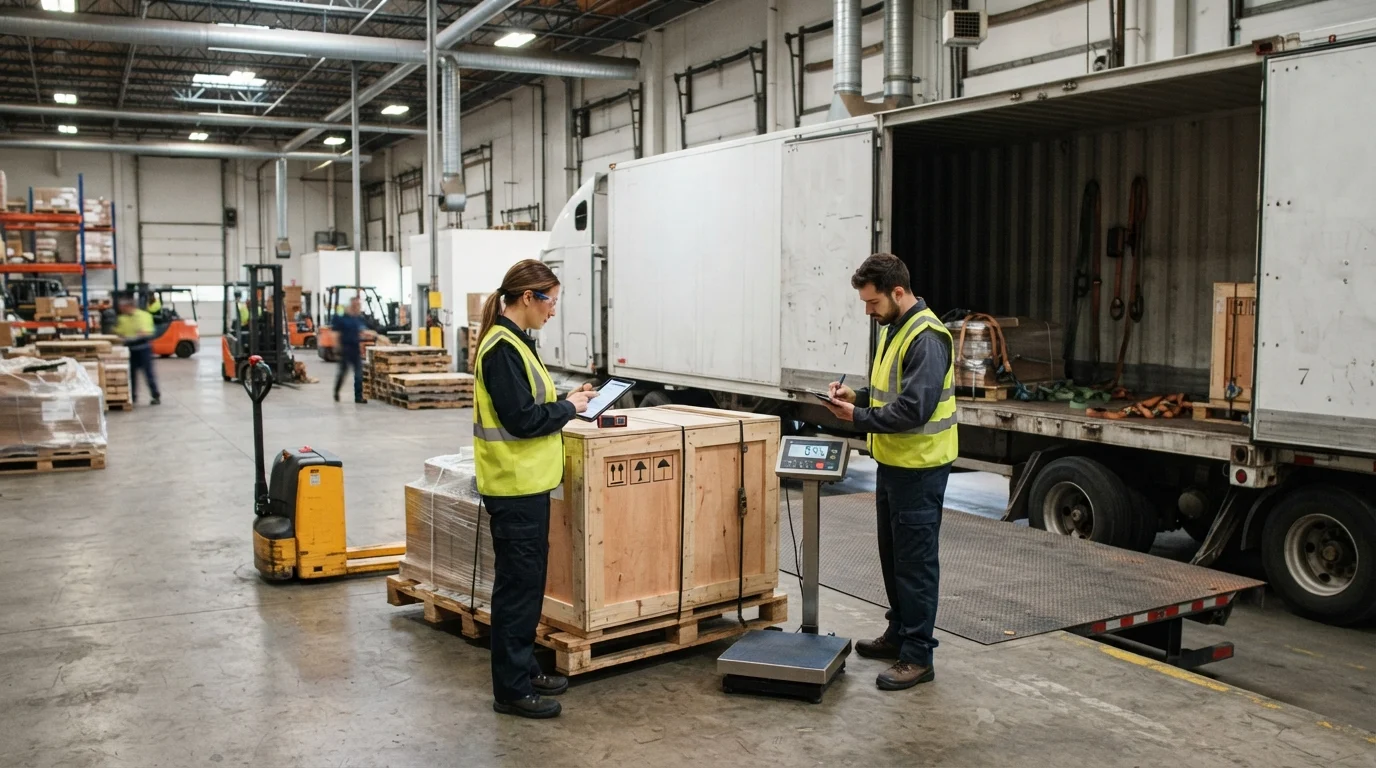
Delays in loading and vehicle exit may also affect the time calculation. If the planned time is calculated from the departure of the vehicle, the delay in loading should be separated from the transportation time. However, if operation records are not parsed correctly, waiting due to loading may also appear as transportation time deviation. Therefore, which period measures what should be clearly defined.
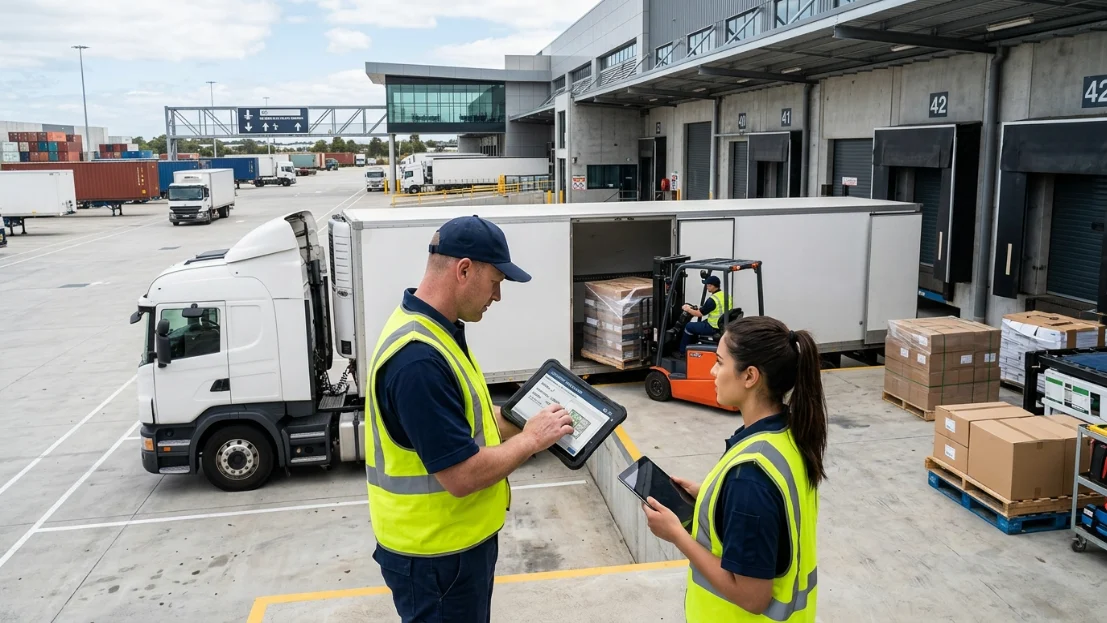
Waiting at the delivery point may also cause a difference in time. Even if the vehicle reaches the facility at the scheduled time, the operation may not be completed due to the ramp being full, the recipient not being ready, or waiting for a delivery appointment. Such delays should be recorded differently than delays en route.
It is also common for the planned transportation time to be determined incorrectly at the beginning. When historical data is not available on new customers, new routes or new transportation models, forecasts may not reflect actual operation. Planning parameters should be updated using the actual times obtained from the first transportations.
What Are the Operational Factors Leading to Transit Time Variance?
Traffic density is one of the most common operational factors. Especially at major city entrances, industrial zones, port areas and main transportation arteries, density may increase significantly at certain times of the day. If the vehicle passes through these areas during peak hours, the planned travel time can easily be exceeded.
Weather conditions also have a significant impact on transportation time. Heavy rain, snow, fog, icing or strong winds may reduce driving speed. In some cases, roads may be temporarily closed or heavy vehicle passages may be limited. Seasonal conditions should be taken into account when planning, especially during the winter period.
Vehicle malfunctions, tire problems and technical problems are also important reasons for time deviation. If the vehicle gets stuck on the road, it may be necessary to fix the problem, call a tow truck, or transfer the load to another vehicle. Such unexpected events directly extend the transportation time.
Documentation deficiency or error may also cause operational delay. If the customs document, transport document or delivery document is missing, the vehicle may be kept at a certain point. Especially in international transportation, even a small document error can cause border crossing to be delayed for hours or longer.
Route changes and route deviations also affect transportation time. It may be necessary to use an alternative route due to road closure, traffic accident or regional restriction. The alternative route may be longer or involve road conditions that are not suitable for the vehicle. This may increase both time and fuel consumption.
Connection times are also important in operations requiring transfers. If the transfer of the load to another vehicle, terminal or different transport mode does not occur at the planned time, the next connection may be missed. In this case, the initial delay of a few hours may turn into a much longer total time deviation.
Carrier performance can also play a role in time difference. The quality of vehicle planning, driver discipline, communication speed and operational tracking may vary between carriers. These differences can be seen more clearly when the time performances of carriers operating on the same route are compared.
Customer-related factors may also affect transit time. Changing the delivery address at the last minute, postponing the appointment, the buyer not being ready to accept the product or the facility entrance procedures taking a long time may cause deviation from the planned time. Recording such situations with separate reason codes ensures accurate evaluation of carrier performance.

How Does Time Variance Affect Delivery Schedule and Customer Commitments?
The most direct impact of transit time deviation is seen in the delivery schedule. If transportation takes longer than planned, the estimated arrival and delivery time will change. If this change is not noticed in time, the delivery information given to the customer will become outdated and service expectations may not be met.
With tight delivery windows, even small deviations become significant. In cases where a customer only accepts goods during certain hours, a delay of a few hours may result in delivery being delayed until the next day. In this case, not only transportation time, but also waiting, rescheduling and vehicle usage costs may increase.
Time deviation affects the reliability of customer commitments. If the company constantly promises the same delivery time to the customer, but this period is regularly exceeded in actual transportation, the planned service level may not reflect the actual operational capacity. In such cases, transit time targets need to be re-evaluated.
Delay occurring at one time may also affect subsequent missions of the same vehicle. When the vehicle completes its first transportation later than planned, it may be late for the next loading slot or shipment. This situation may create a chain delay and disrupt other operations during the day.
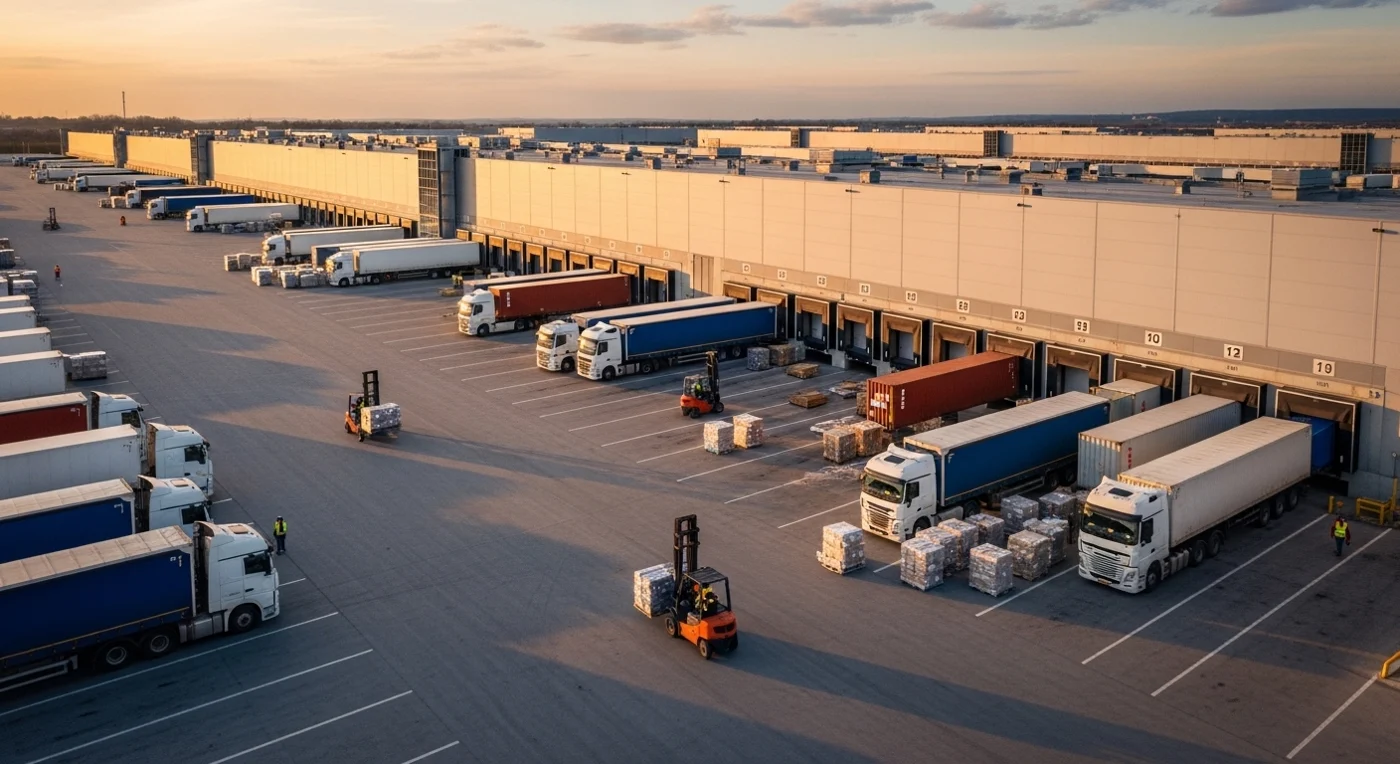
Warehouse and ramp planning are also affected by time deviation. If the incoming vehicle does not arrive at the planned time, the allocated loading or unloading slot may remain empty. When the vehicle arrives later, it may collide with another vehicle and ramp congestion may occur. Thus, a delay on the route also affects the on-site operation.
It is important to detect deviation early in terms of customer information. Informing after the delivery time has passed does not allow the customer to organize his own plan. On the other hand, if the risk of delay is foreseen and the current estimated arrival time is shared, the customer can make the necessary preparations.
Transportation time deviation can also affect costs. Extending the period may increase driver working time, fuel consumption, waiting fees or vehicle operating costs. Therefore, delivery time deviation should be monitored not only in terms of customer performance but also in terms of cost analysis.
How to Monitor and Reduce Transit Time Variances
In order to monitor transportation time deviations, planned and actual times must first be recorded in a standard manner. The same starting and ending points should be used for every shipment. If the time starts from vehicle exit in one operation and from order formation in another operation, it will not be meaningful to compare the results.
Transportation time difference can be measured in hours or minutes, or can be evaluated as a percentage. For example, completing the planned 10-hour transportation in 12 hours creates a deviation of two hours and 20 percent. Percentage rating makes it easy to compare the performance of routes of different lengths.
Average transportation time alone is not sufficient. Some runs are completed too early, some too late, but if the average appears to be close to target, the operation can still be unpredictable. Therefore, it should be monitored how variable the durations are. Regular and predictable performance can be more valuable than merely subpar.
Reasons for delay must be recorded with standard codes. Reasons such as traffic, vehicle malfunction, customs, lack of documents, customer waiting, route change or weather conditions can be tracked separately. Thus, it can be determined which factors cause the transportation time deviation.
Historical data should be used to develop planned durations. If recent transport times on a route are consistently above the plan, the time used initially must be recalculated. Maintaining unrealistic time targets may understate operational performance.
Improving route planning can also reduce diversion. Choosing times when traffic density is low, evaluating alternative routes in advance and using roads suitable for vehicle characteristics can provide more predictable times. It should not be forgotten that the shortest route does not always provide the most reliable transportation time.
Carrier performance can be compared regularly. Compliance with planned times of different carriers operating on the same route and under similar load conditions can be analyzed. However, when making this comparison, customer, customs and field-related delays should be separated from carrier-related problems.
Using an early warning system helps manage time deviation during operation. The operations team can be notified when the vehicle does not arrive at a specific checkpoint at the expected time or when the remaining distance and current speed indicate that delivery will be delayed. Thus, the problem is no longer a data reported only after the delivery is completed.
It may not be possible to completely eliminate transit time deviations. Variables such as traffic, weather and unexpected site conditions are a natural part of logistics operations. The aim is to determine acceptable deviation ranges, distinguish recurring problems and detect critical delays as early as possible.
When regular time tracking, accurate cause analysis and planning based on historical data are used together, transportation times become more predictable. This enables delivery plans to be created more reliably, vehicle capacity to be used more accurately, and time commitments to customers to be more compatible with actual operating conditions.