What Does Vehicle Pool Management Mean in Logistics?
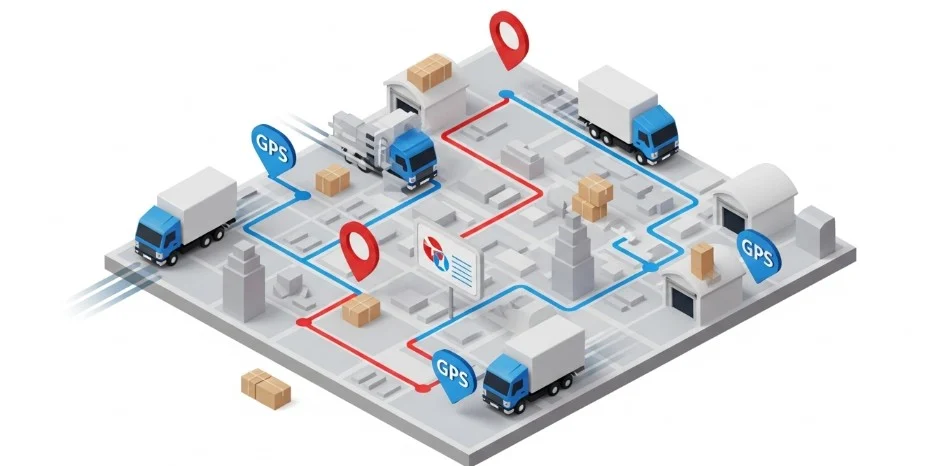
Vehicle pool management in logistics refers to tracking the availability, duty, maintenance, malfunction, reservation and operation status of the vehicles in use by the business through a central structure. The aim is to see which vehicle is available at which moment, to assign the appropriate vehicle to the right shipment and to make more efficient use of the existing fleet capacity. Especially in operations where many vehicles perform different tasks at the same time, vehicle pool management helps planning teams accurately evaluate current capacity.
It is not enough to evaluate the question of what is vehicle pool management as merely keeping a vehicle list. In a healthy vehicle pool structure, the vehicle's technical specifications, carrying capacity, body type, location, driver status and planned duties are evaluated together. In this way, it can be more accurately understood whether a vehicle that appears available in the system is actually suitable for the relevant transportation. A high number of vehicles does not mean capacity alone; The important thing is that the right tool is available at the right time.
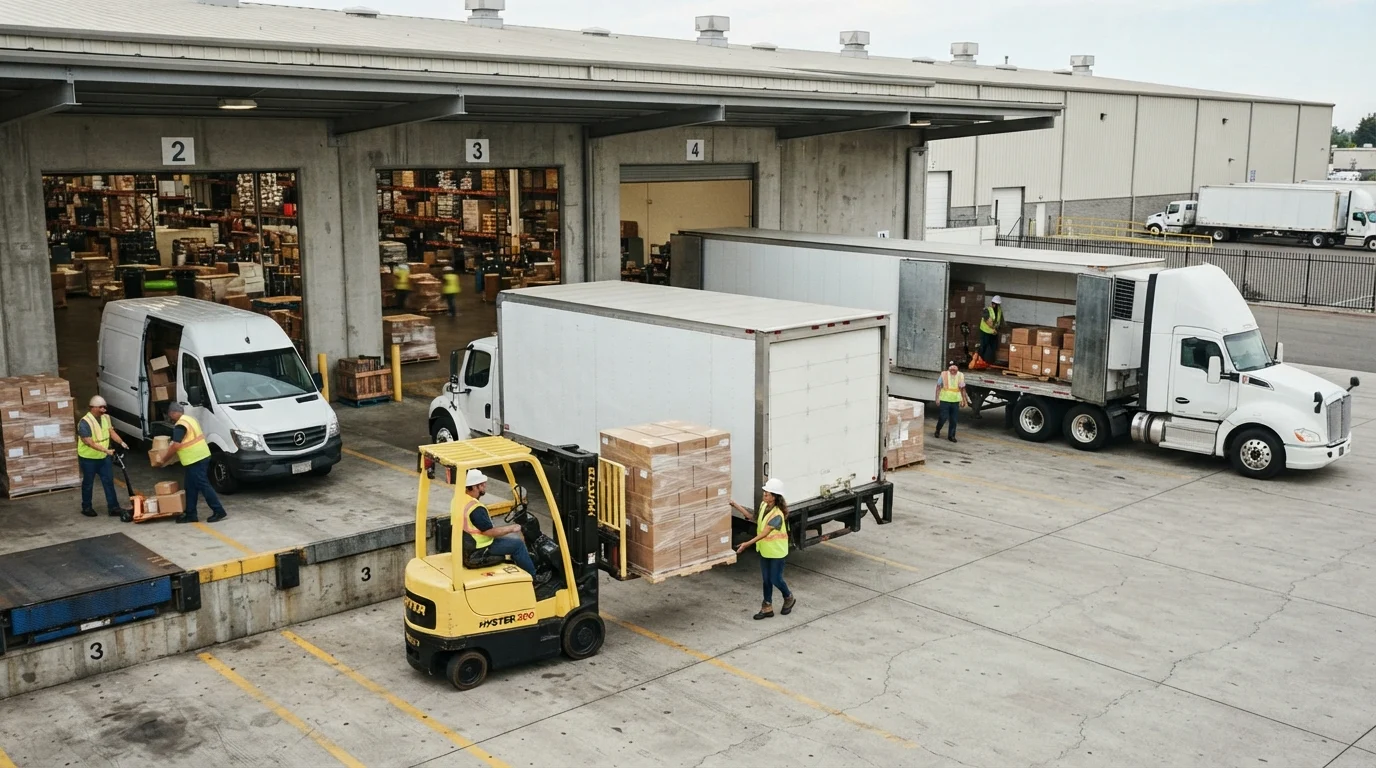
When managing vehicles in logistics, vehicles should be classified according to their operational characteristics instead of looking at the entire fleet in the same way. Trucks, tow trucks, vans, refrigerated vehicles or vehicles suitable for carrying special loads can be used in different tasks. Therefore, the tool pool should demonstrate not only numerical capacity but also qualitative capacity. If the vehicle type needed for a particular transportation is not available, having a high total number of vehicles does not solve the operation problem.
When the vehicle pool is managed throughlogistics programs, vehicle duty status, availability information, maintenance plan and shipment assignments can be monitored within the same operation structure. This way, planning teams can access up-to-date vehicle capacity without having to compare between different lists or manual records. This structure provides more controlled planning, especially in businesses where frequent vehicle changes are made during the day or where the same fleet is used for more than one operation.

How to Track Availability and Task Status in the Vehicle Pool?
Monitoring availability in the vehicle pool begins with clearly defining the current status of each vehicle. The vehicle can be marked with different statuses, such as available, on duty, under maintenance, broken down, on reservation, on the way back, or temporarily unavailable. Thanks to this classification, the planning team can see not only the number of vehicles, but the actual amount of vehicles available.
Planning errors may occur when vehicle mission status is not updated regularly. If a vehicle currently on duty in the field appears available in the system, the same vehicle can be assigned to a second shipment. Similarly, if a vehicle that completes the operation and returns to the fleet continues to appear on duty in the system, the available capacity may be underestimated. Therefore, status information should be updated with operation movements as much as possible.
When tracking vehicle availability, not only the current status but also the next availability time is important. It should be possible to see when a vehicle on duty will return, on what date the vehicle under maintenance will be put back into operation, or after what time the vehicle in the reservation will be released. Thus, planning can be done not only on today's capacity but also on the needs of upcoming operations.
The location of the vehicle is also important in assessing availability. The vehicle, which is technically empty but is located too far from the operation area, may not be usable in a short time. For this reason, physical availability and operational availability should be separated in vehicle pool management. The vehicle may be empty, but additional kilometers or time may be required before it can be assigned to a new task.
Driver status can also affect vehicle availability. Even if the vehicle is physically ready, the operation cannot be started if there is no suitable driver. For this reason, in some buildings, vehicle and driver availability are tracked together. Especially in long-distance transportation, work and rest periods can determine whether the driver can be assigned to the new task.
The information in the tool pool should be checked regularly. Tools that appear to be in the same state for a long time, tasks that have not been closed, or records that are due for maintenance can compromise data accuracy. Reliable availability information ensures that planning decisions are reliable.
According to what criteria are vehicles assigned to shipment and operations?
The vehicle assignment process should primarily be done according to the characteristics of the load. The weight, volume, number of pallets, product type and transportation conditions of the load determine what features the vehicle should have. Assigning a vehicle with insufficient capacity may result in splitting the load or rescheduling the operation. Using vehicles that are larger than necessary may lead to inefficient use of capacity.
Vehicle type is also an important criterion. A temperature-controlled vehicle may be required for cold chain products, a vehicle with appropriate equipment for hazardous loads, or a smaller vehicle for urban narrow-space deliveries. For this reason, vehicle assignment should not be based solely on availability information. A suitable vehicle is not the same as a suitable vehicle.
Delivery route and distance also affect vehicle selection. In long-distance transportation, fuel capacity, driving comfort and vehicle technical condition may become more important. In urban operations, maneuverability, vehicle entry restrictions and physical conditions of the delivery points should be taken into account.
The current location of the vehicles also affects the assignment decision. Among two vehicles with the same features, choosing the vehicle closer to the point of operation can reduce empty mileage and preparation time. However, simply selecting the closest vehicle does not always yield accurate results. The vehicle's next tasks and daily plan should be evaluated together.
Planned delivery time is also one of the important criteria. While a vehicle that is ready for shipment that needs to leave in a short time is preferred, reservations can be made for further operations. Thus, urgent and planned shipments can be managed within the same vehicle pool without interfering with each other.
Operation priority may also be taken into account in vehicle assignments. Critical customer shipments, deliveries with a narrow time window, or loads with special transportation requirements can be assigned priority to certain vehicles. However, this prioritization should not create a capacity gap in other operations.
In terms of fleet capacity management, it would be more accurate to evaluate assignments not only on a single shipment, but on the total plan of the day or week. Assigning a vehicle to a long mission early in the day may create a lack of capacity for another operation needed later in the day. For this reason, the vehicle assignment process should be carried out with a holistic planning logic as much as possible.
How Do Maintenance, Malfunction and Reservation Situations Affect the Vehicle Plan?
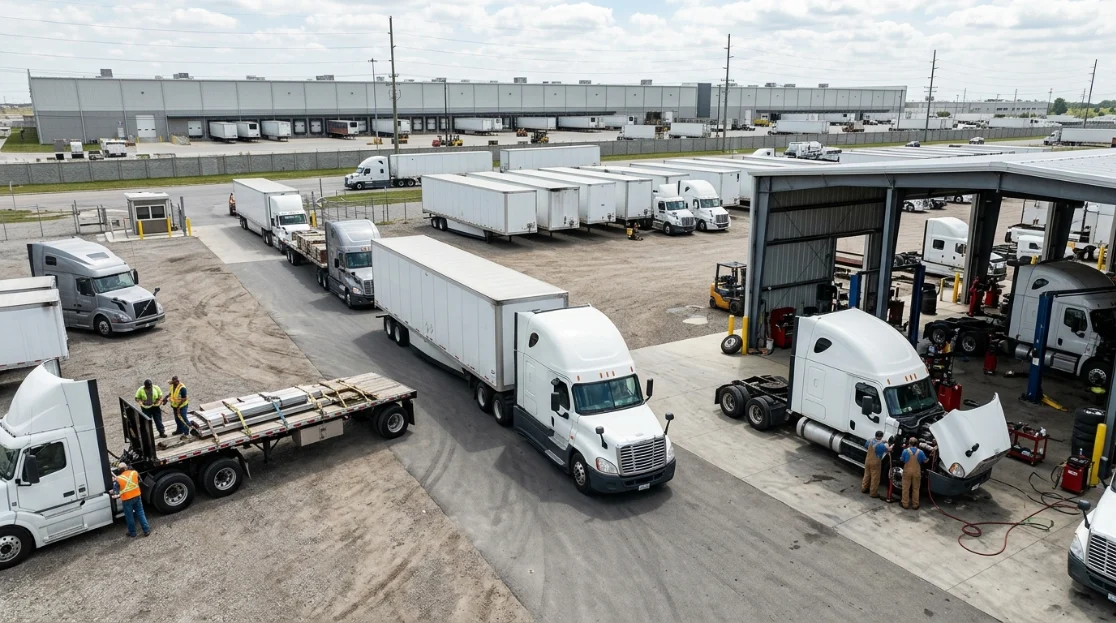
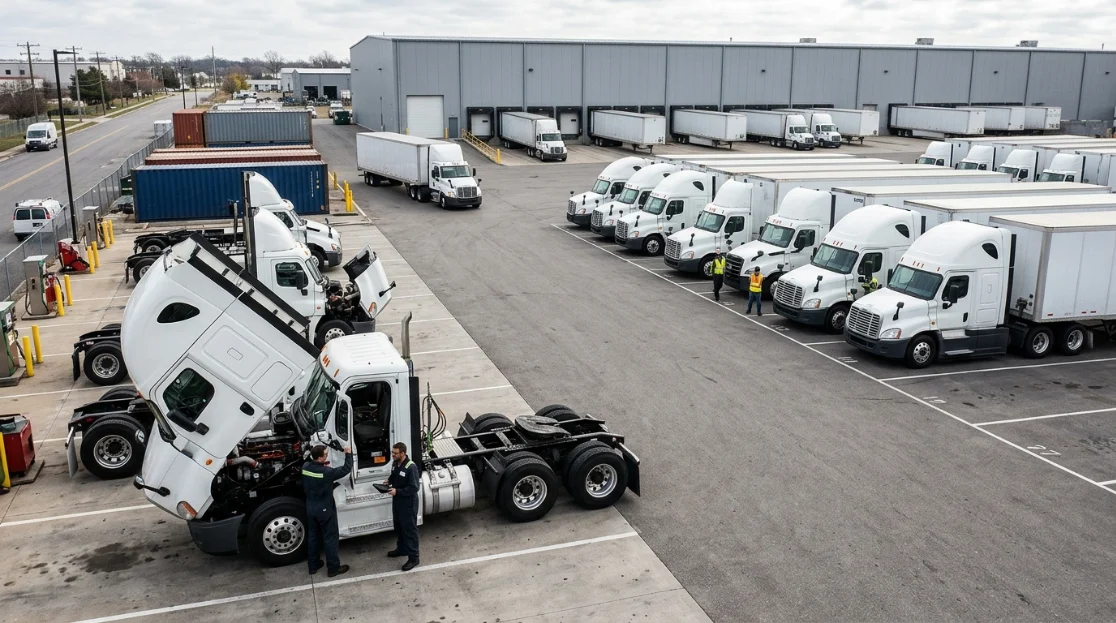
The maintenance schedule directly affects the vehicle pool capacity. A vehicle that will undergo periodic maintenance must not appear to be available within the relevant date range. If maintenance information is kept separate from the operations plan, the planning team may assign a vehicle to shipment that cannot be used. This may result in last minute vehicle changes and operational delays.
Planned maintenance and unexpected malfunctions should be managed differently. Since planned maintenance is known in advance, vehicle capacity can be adjusted accordingly. A malfunction may cause a sudden loss of capacity during operation. For this reason, it is beneficial to have a certain spare capacity in the vehicle pool or to determine alternative vehicle options in advance.
In case of malfunction, not only the fact that the vehicle is out of use but also the estimated return time should be recorded. Whether the fault is resolved within a few hours or requires a service period of several days creates different results in terms of planning. When there is no estimated return date, it remains unclear when the vehicle will be included in the capacity calculation again.
Vehicle reservation tracking is also an important part of capacity management. If a vehicle is reserved for a specific shipment later in the day, it may not be appropriate to assign it to another longer task, even if it currently appears vacant. For this reason, reservation information should be viewed above vehicle availability.
Keeping reservations unnecessarily long may also cause loss of capacity. If the vehicle continues to appear in the reservation even though the shipment is canceled or postponed, it cannot be used for other tasks. Therefore, reservation statuses should be updated with operational changes.
Maintenance and malfunction history is also important for long-term planning. Vehicles that constantly break down can reduce the actual capacity of the fleet. Even if the number of vehicles seems high, operational capacity decreases as non-use periods increase. For this reason, maintenance records are among the data that should be evaluated not only by the technical department but also by the logistics planning team.
When the usage status of the vehicles and the maintenance schedule are examined together, the maintenance needs of busy vehicles can be planned more accurately. If the maintenance of constantly used vehicles is delayed, the risk of malfunction may increase. On the other hand, having all vehicles maintained at the same time may cause capacity problems. The maintenance plan needs to be balanced according to the intensity of the operation.
How Does Vehicle Pool Management Ensure Efficient Use of Fleet Capacity?
Vehicle pool management makes the vehicle capacity owned or used by the business more visible. Planning teams can make more realistic decisions when it is known which vehicle is where, what task it performs and when it will be reusable. This visibility can help reduce unnecessary vehicle rentals or idle existing capacity.
Assigning vehicles to the right tasks ensures more balanced use of fleet capacity. Transporting small loads with vehicles larger than necessary or selecting inadequate vehicles for high-volume loads reduces capacity efficiency. Matching vehicle characteristics to load needs helps get more out of the fleet's physical capacity.
Vehicle pool management also enables analysis of idle times. If some tools work continuously while others are not used for a long time, the reason for this can be examined. Inappropriateness of the vehicle type to the operation need, incorrect positioning or planning habits can create this imbalance. This information can also be used in new vehicle investment decisions.
The empty mileage can be reduced when the transitions of vehicles between tasks are planned more accurately. It may be more efficient to use a vehicle completing a delivery for another load in the immediate area than to have the vehicle return to headquarters empty and then leave again. However, when making this planning, driver time, vehicle suitability and subsequent tasks should be taken into account.
Efficient use of fleet capacity does not only mean that vehicles are constantly on the move. The time required for maintenance, rest, cleaning and operation preparation should also be included in the capacity plan. Keeping the vehicle constantly on duty may create a high usage rate in the short term, but may increase malfunctions and maintenance problems in the long term.
Tool pool management can also make outsourcing more controlled. When the actual capacity of the existing fleet is seen, it can be determined earlier on which days or regions there will be a need for external vehicles. Thus, outsourcing ceases to be a last-minute solution and becomes part of planned capacity management.
Regular vehicle usage data shows how compatible the fleet structure is with operational needs. Specific vehicle types or underutilized vehicle groups that are consistently in short supply can be identified. These analyzes support making healthier fleet size, vehicle type distribution and rental decisions.
When vehicle pool management is established correctly, the business can focus on using its existing vehicles more accurately instead of just using more vehicles. This approach strengthens capacity planning, makes vehicle assignments more consistent and ensures that shipments are carried out in a more controlled manner with existing fleet capabilities.