What Does Liner Transportation Mean?
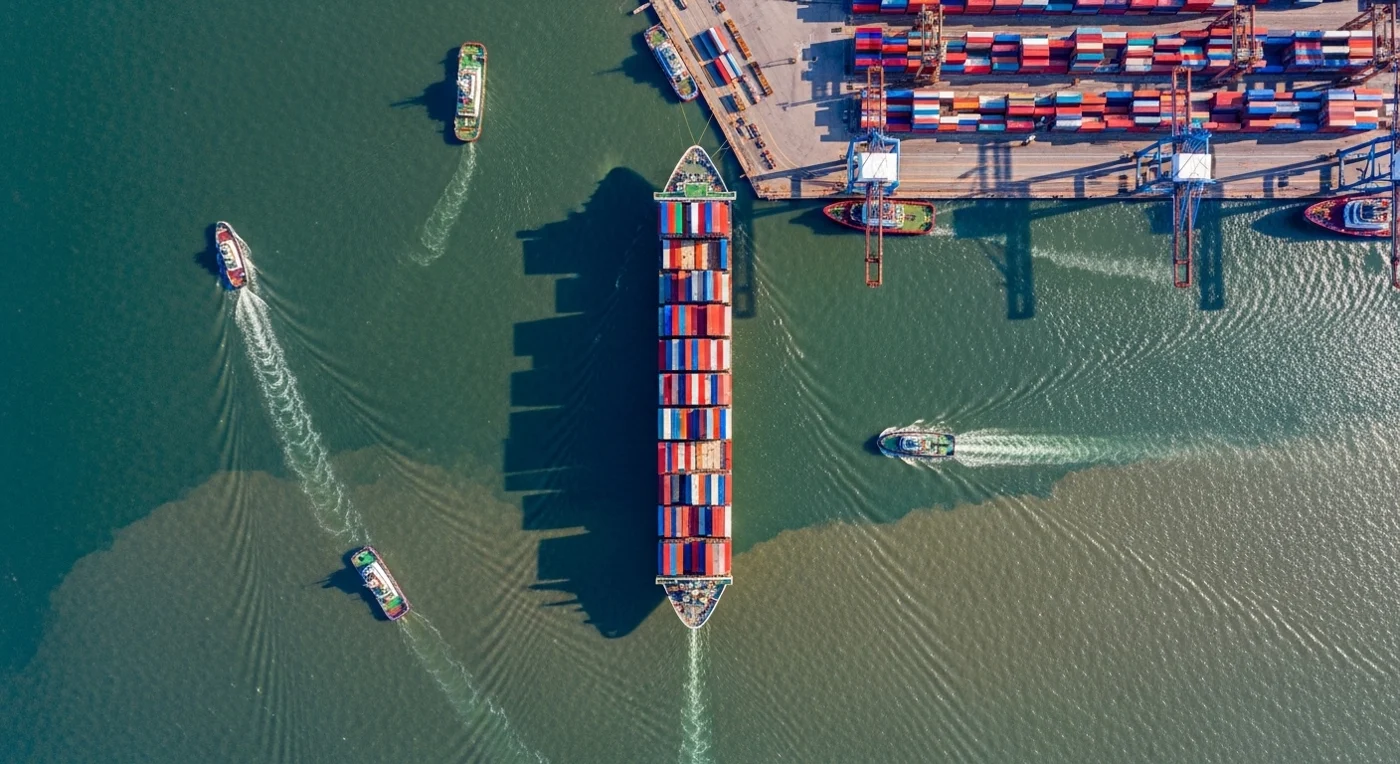
Lier transportation is regular maritime transportation between certain ports according to pre-announced sailing schedules. In this model, the ship's departure port, arrival port, intermediate ports of call and voyage dates are determined in advance. For this reason, liner transportation is an important transportation option for companies that want to make planned shipments, especially in export and import processes.
In this type of transportation, the ship moves according to the announced sailing schedule, not according to the amount of cargo. In other words, even if the ship is not completely full, it sails on the specified date. This feature provides cargo owners with a more predictable structure in terms of delivery time, production plan, stock management and customer information. Container transportation is one of the most widely used areas of liner transportation.
Lier transportation does not only mean transportation of cargo by sea. It covers many operational steps such as reservation, container supply, port delivery date, customs process, document management, transfer tracking and arrival planning. In this process, logistics programs; It helps to monitor booking tracking, container status, port delivery date and document flow from a single screen. Thus, operation teams can manage the process based on the sailing schedule more regularly.
Operation of Liner Transportation
The process in liner transportation begins with the carrier company announcing its voyage schedule. This schedule includes which port the ship will depart from and when, which ports it will call at, and the estimated time of arrival. The cargo owner, exporter, importer or freight forwarder selects the appropriate voyage according to this program and initiates the reservation process.
Once the reservation is confirmed, the cargo must be delivered to the port or container yard by the relevant date. At this stage, it is important to prepare the container, make a loading plan, prepare transportation documents and complete customs procedures. Even a small delay in the process may cause the cargo not to reach the planned ship.
In liner transportation, the operation begins with the selection of the appropriate voyage and line. Then, the booking process is made, the container is provided and the cargo is taken into the container and delivered to the port. After the customs and paperwork processes are completed, the ship departs on the planned date. At the destination port, the unloading and delivery process begins. The regular functioning of this structure depends on the sales, operations, warehouse, customs and finance teams progressing on the same schedule. Otherwise, both cost and time loss may occur.
Advantages Provided by Liner Transportation
The most important advantage of liner transportation is that it can be planned. Since the voyage dates are determined in advance, companies can organize their production, storage and delivery processes according to this calendar. This structure provides great convenience, especially for businesses that export regularly.
Another advantage is that containers belonging to different cargo owners can be transported on the same ship. In this way, companies can use transportation space for their own cargo without having to rent the entire ship. This facilitates cost management, especially for container-based loads.
The prominent advantages of liner transportation are:
- Düzenli sefer takvimi sunar.
- Makes delivery planning easier.
- Suitable for container transportation.
- Farklı liman bağlantıları sağlar.
- It creates predictability in export and import processes.
- It helps to track transit times more clearly.
However, liner transportation may not always be the fastest option. The ship may call at more than one port or a connecting voyage may be used. Therefore, when choosing transportation, not only the freight cost but also the delivery time and route structure should be considered.
Cargo Types Suitable for Liner Transportation
Liner transportation is most preferred for loads that can be transported by containers. Textile products, machinery parts, electronic goods, packaged food products, automotive spare parts, non-chemical industrial products and retail products are among the loads suitable for this transportation model.
Products requiring cold chain can also be included in liner transportation with appropriate container types. For example, reefer containers can be used for food products or sensitive products that need to be transported with temperature control. However, for such loads, the technical condition of the container, temperature monitoring and arrival time should be checked separately.
Special equipment can be used for some loads that do not fit into a standard container. Open top or flat rack containers can be preferred for products that are not suitable for standard containers due to size or loading method. However, for this type of cargo, line approval, port suitability and cost calculation must be clarified in advance.
Liner transportation is generally more suitable for the following loads:
- Commercial products shipped regularly
- Cargoes that can be placed in containers
- Products that are packaged and suitable for handling
- Standard cargoes subject to international trade
- Export products that must be sent according to a certain schedule
For large volume bulk cargoes, different maritime transportation models can be preferred instead of liner transportation. Cargoes that will fill most of the ship, such as grain, coal, minerals or raw materials, are often more suitable for tramp transportation.
Planning and Voyage Order in Liner Transportation
In liner transportation, the voyage order is the most critical part of transportation. The ship's departure date, arrival date, port calls, transfer points and delivery times should be followed in advance. In order for the cargo to reach the ship, it is not enough to just look at the departure date. Booking closing date, container delivery time and customs procedures should also be included in the planning.
For example, just because a ship leaves on Friday does not mean that the cargo can be delivered to the port on Friday. Most of the time, the container must have entered the port before a certain closing date. If the documents are prepared late, the container is loaded late, or the customs process is prolonged, the cargo may be delayed for the next voyage.
When planning liner transportation, the ship's ETD date, estimated arrival time and booking closing date should be evaluated together. The final delivery time of the container to the port, the preparation time for customs documents and the connection voyage at the transfer port, if any, should also be included in the planning. Additionally, if the unloading and delivery process at the destination port is not foreseen in advance, there may be a delay in final delivery even if the cargo arrives on time.
Changes in the voyage order may also affect the operation. Arrival time may be extended due to port congestion, weather conditions, transfer delays or changes in the line schedule. Therefore, it is important not only to make the initial plan in liner transportation, but also to follow the process throughout the transportation.
Manual tracking may be insufficient, especially if multiple loads, customers, ports and carriers are managed simultaneously. Thanks to digital monitoring, operation teams can see delay risks earlier and take the necessary actions in a timely manner.
Properly planned liner transportation does not only provide companies with ease of transportation. It also creates a stronger operational structure in terms of stock management, delivery performance, customer satisfaction and cost control.